If you want to know the Glassdoor app and actually use it to make better career decisions, start by understanding what it centralizes in one place.
The app combines job listings, real employee reviews, and salary insights so you can evaluate offers with context. It also adds anonymous communities where professionals discuss pay, culture, and interview expectations.
This guide explains how the app works, why it matters for salary transparency, and how to download it confidently.
What Is the Glassdoor App
Before you dive into tactics, it helps to define what Glassdoor is in 2025 and why its mobile experience is useful.
Glassdoor is a job search and career community that aggregates millions of postings, company reviews, and pay data.
The app brings those tools to your phone so you can research on the go. You get the same core features as desktop, tuned for faster discovery and timely alerts.
Key Features You Will Use Most
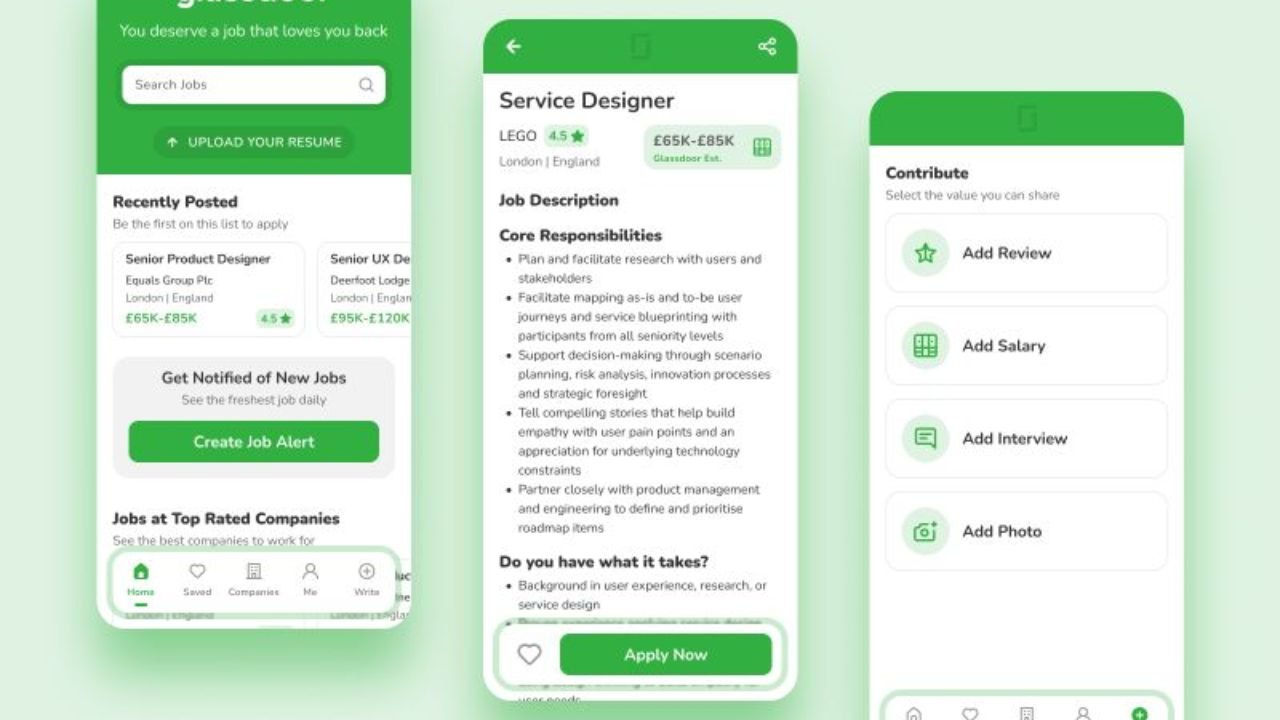
The app’s backbone is a blend of job search filters, company pages, salary tools, and anonymous conversations. You can scan roles, compare teams, and look at compensation ranges while reading candid reviews from current and former employees.
Communities let you ask pay and culture questions without revealing your identity, which encourages frank discussion. These pieces connect into one workflow that turns research into decisions you can defend.
How to Use the App Day to Day
Start with a targeted search using filters for title, location, compensation, and posting date, then save roles for alerts.
Open a company page to confirm ratings, read pros and cons, and scan recent reviews that match your function or location.
Check the salary tab for reported ranges and role-specific estimates, then compare against similar employers. When you still have questions, ask in a community to validate expectations and identify negotiation levers.
What the Salary Estimates Actually Represent
Glassdoor combines user-submitted pay reports with modeling to estimate ranges when exact data is sparse.
These estimates leverage algorithms and large datasets, but may exclude certain variable-heavy roles, so you should treat them as directional. The estimates improve as more reports accumulate, which is why popular roles show tighter ranges.
Use them to set anchors, then triangulate with postings and recent reviews before you negotiate.
Why Use Glassdoor to Discover Salary “Secrets”
Salary conversations are easier when you have independent benchmarks and recent, role-specific context.

The app helps you check whether posted pay is realistic for your market and seniority.
It also reveals non-cash factors like career growth, leadership quality, and work-life balance that affect long-term compensation. That combination turns guesswork into a data-backed plan for your next move.
Where the Numbers Come From and How to Read Them
Most ranges originate from employee submissions, employer-reported data, and estimates derived from similar roles and markets.
Because methodology varies by role volume and location, you should compare multiple titles and adjust for level where possible.
Look for medians and interquartile spreads to understand typical outcomes, not outliers. If results feel thin, expand geography or title variants to strengthen the sample.
Pay Transparency and Real-World Accuracy
Glassdoor’s research shows posted salary ranges are directionally accurate a significant share of the time, but gaps do exist by role and market. That variance is exactly why independent benchmarking reduces risk before you accept an offer.
Use ranges as a starting point and confirm with fresh postings, team reviews, and your interviews. If a company shares a range, compare it to the app’s estimates to test consistency.
Reviews, Interviews, and Culture Signals That Affect Pay
Compensation is more than base and bonus; trajectory depends on leadership, growth, and attrition trends. Read recent reviews to spot patterns in raises, equity refreshes, or promotion pacing for your function.
Interview reviews can reveal assessment style and what excellence looks like internally, which helps you present value and justify higher pay. Together, these signals tell you whether the offer’s upside matches the effort.
Where and How to Download the Glassdoor App
You should install only from official storefronts to get the latest features, reliable updates, and accurate developer verification.

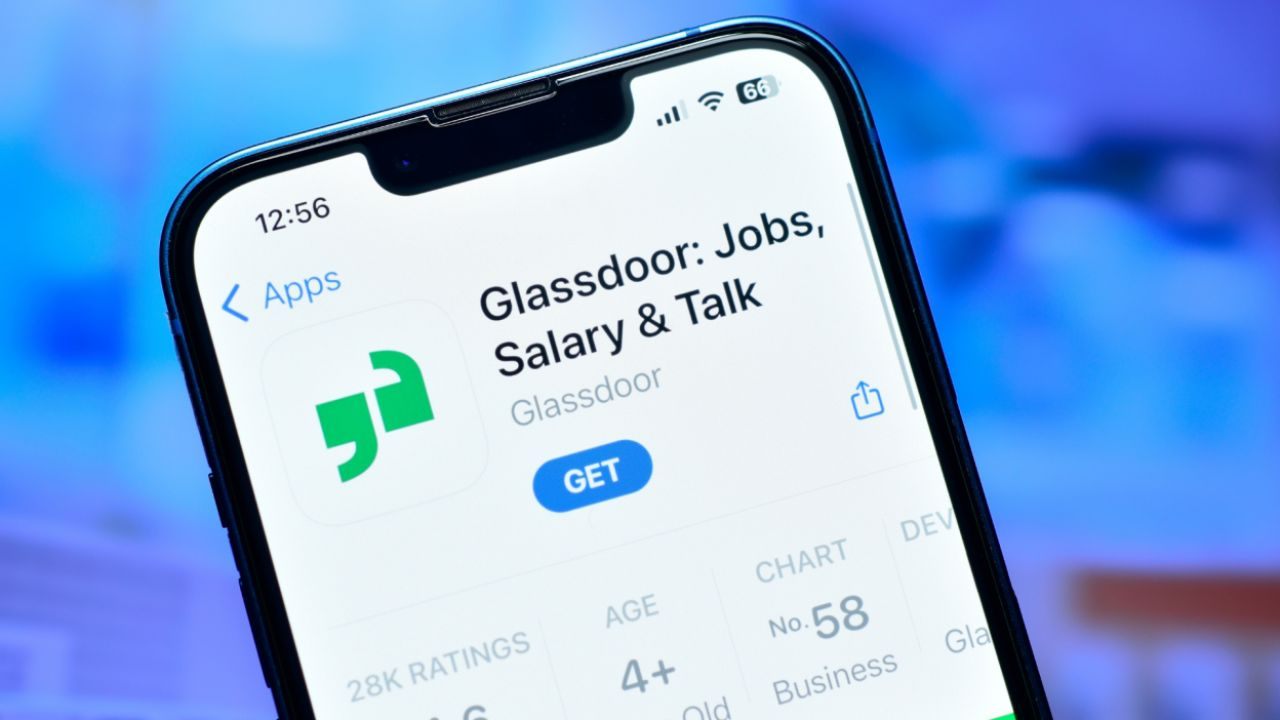
On iOS, the listing identifies Glassdoor, Inc. as the publisher and highlights reviews, salary tools, and communities.
On Android, Google Play details company reviews, salaries, Easy Apply options, and anonymous conversations. These listings also document recent changes so you know what’s new before you install.
Download Steps for iPhone and iPad
Open the App Store, search for “Glassdoor: Jobs & Community,” and confirm the developer name before tapping Get.
After installation, sign in or create an account, then enable notifications for job alerts and messages.
Verify your email to sync saved jobs and reviews across devices. If you switch regions, check content settings so salaries and company results reflect your local market.
Download Steps for Android Phones
Open Google Play, search for “Glassdoor | Jobs & Community,” and confirm you are viewing the official developer listing.
Tap Install, sign in or create an account, and allow notifications so new listings and messages are timely.
Enable location or set a preferred city to refine salary and role relevance. Review the “What’s new” section to understand feature updates that could improve your search.
First-Run Setup That Improves Results
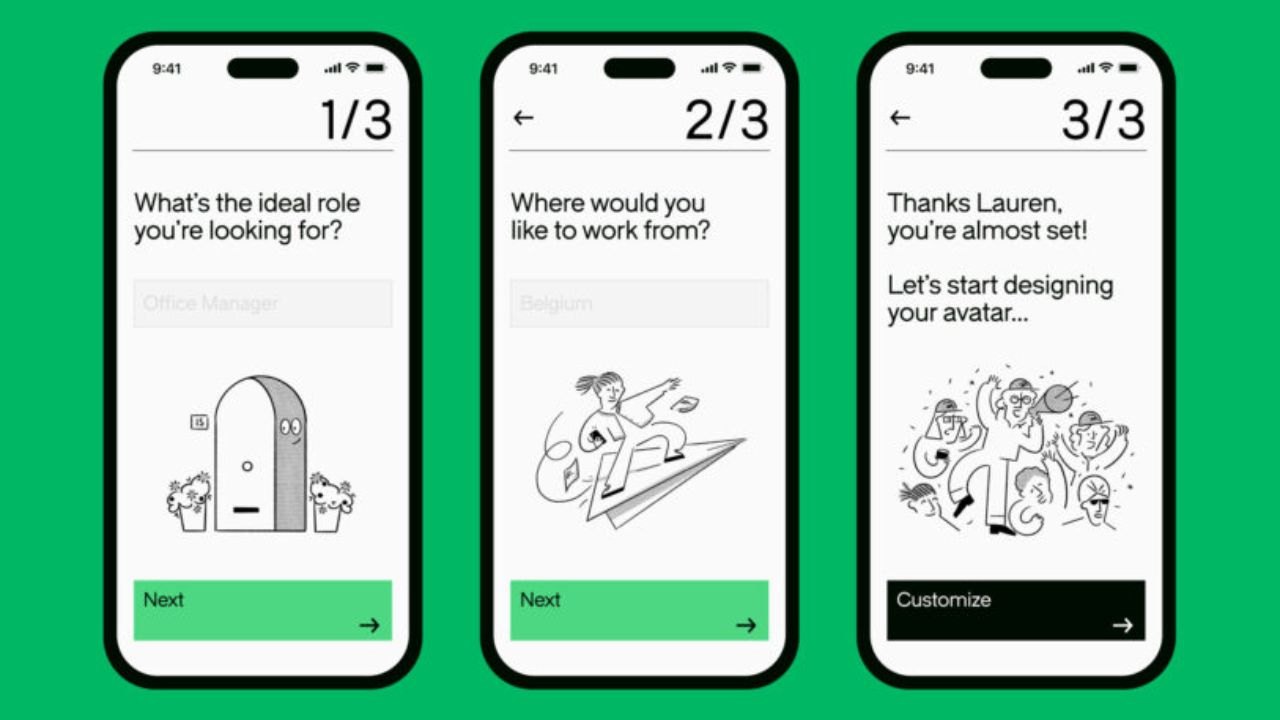
Complete your job preferences, titles of interest, locations, and pay expectations to train the recommendations.
Follow companies you admire so the feed surfaces news and roles that matter to you. Save multiple title variants if your function uses different naming conventions across industries.
Join a few communities aligned to your field, then ask focused questions to validate compensation signals.
Pro Tips to Get the Most from Glassdoor
Maximize value by turning “browse and hope” into a disciplined workflow you repeat weekly.
Start with saved searches and alerts, then research companies before applying. Read the most recent reviews first because they reflect today’s leadership and policies.
Finally, benchmark salary ranges and keep notes so you can negotiate with specifics, not impressions.
Advanced Search and Filtering for Faster Signal
Use filters for posting date, pay, seniority, and location clusters to surface fresher, closer matches. Compare similar titles like “Senior Analyst” and “Analytics Lead” if your discipline spans naming styles.
Save distinct searches for each job family you target to reduce noise. Revisit filters monthly as hiring language evolves and new teams enter your market.
Benchmarking Offers Without Over-Indexing on Outliers
Treat salary medians as anchors, not ceilings, and weigh level, city, and industry margin profiles. Reconcile base, bonus, equity, and benefits so you evaluate total compensation, not just a single line.
When an offer diverges from market, ask clarifying questions about scope, growth path, and review cadence. Document findings so your counterproposal feels informed and collaborative rather than speculative.
Using Communities Responsibly and Effectively
Anonymous conversations work best when you provide enough context for helpful replies without revealing confidential details. Share role, level, metro area, and industry to improve signal while keeping identifiers private.
Cross-check advice against reviews and public postings to filter anecdotes from patterns. When you receive value, pay it forward with your own data points after you sign.
Conclusion
To truly know the Glassdoor app, use it as a system for salary research, company due diligence, and informed negotiation. Let real reviews and evolving pay ranges guide your expectations while communities fill gaps with lived experience.
Install the official app, tune your preferences, and revisit filters so results stay fresh as markets move. With disciplined use, Glassdoor turns salary mysteries into clarity you can act on during every career step.