
If you are searching how to apply for Amazon warehouse jobs, you need current pay details, clear requirements, and step-by-step hiring guidance.
Amazon’s fulfillment and sortation sites continue to expand, offering stable schedules and fast onboarding. Updated pay and benefits for 2025 make these roles competitive across major markets.
This guide compiles verified details on job types, compensation, eligibility, and proven tactics to help you get hired quickly.
What Are Amazon Warehouse Jobs in 2025
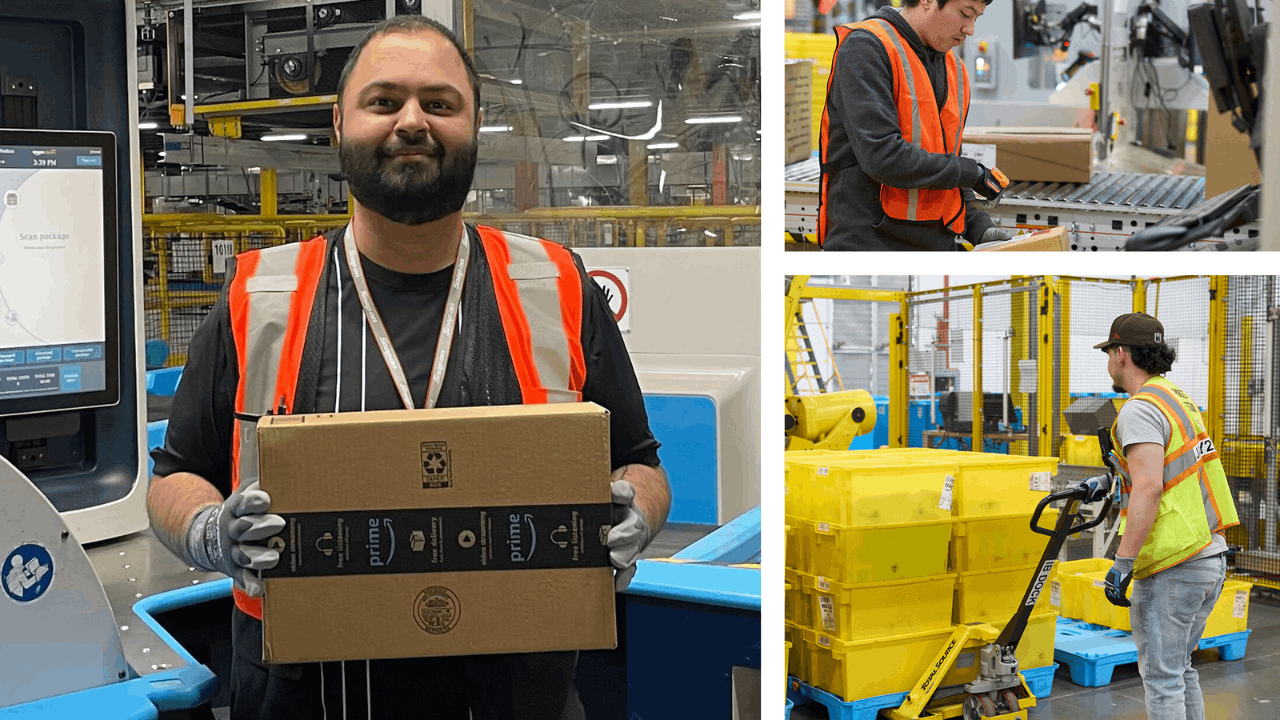
Amazon warehouse jobs include fulfillment center associates, sortation center associates, receive center roles, and XL or non-sortable teams that handle bulky items.
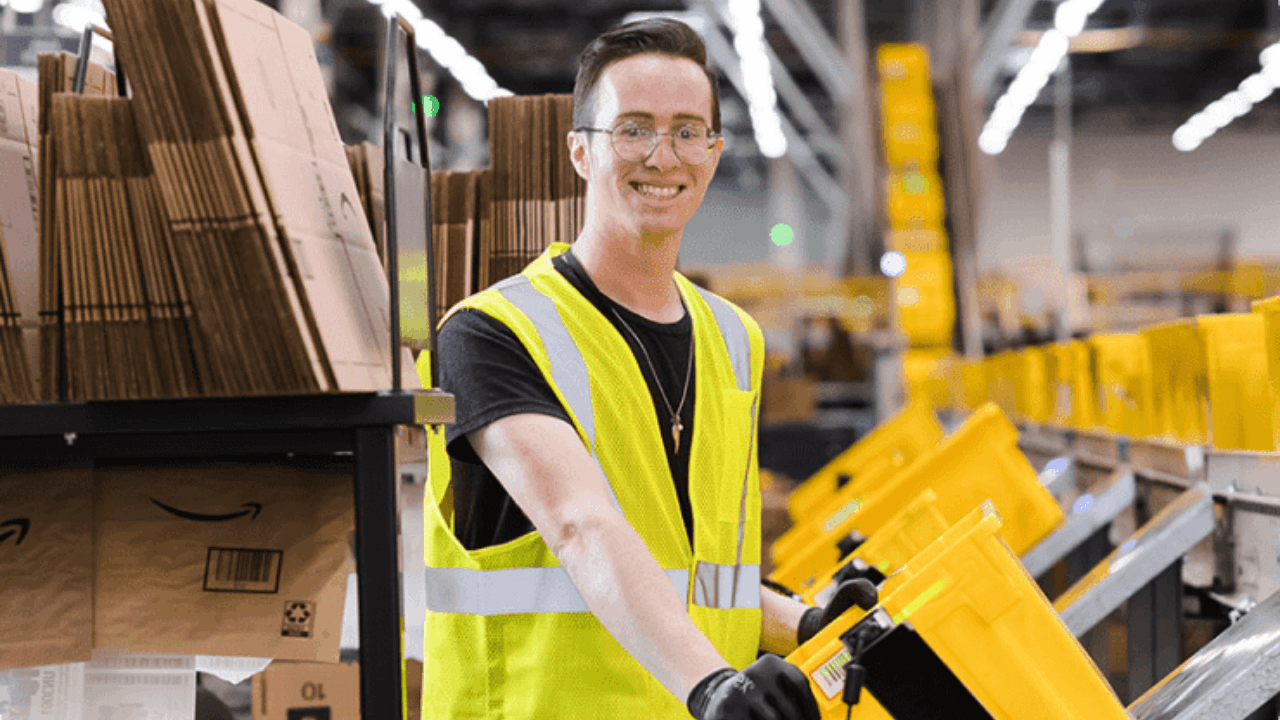
Day to day, you pick, pack, stow, or sort customer orders using scanners, carts, conveyors, and—at many sites—Amazon Robotics to assist flow.
Facilities vary by function, but the core work is moving inventory accurately and safely to meet delivery promises.
Amazon’s facility network description explains how sortable, non-sortable, and delivery stations each contribute to the end-to-end operation.
Typical Duties and Physical Expectations
Associates stand and walk for long periods, use dollies or hand trucks, and move packages across defined routes on the floor.
Many postings specify the ability to lift up to 49 pounds, with safe-handling methods for heavier items and frequent reaching, bending, and pushing or pulling.
Teams follow standardized safety training and coaching routines, including hazard identification and scenario practice to keep tasks consistent and controlled. These expectations appear directly in role listings and safety publications used across U.S. sites.
Where These Roles Fit in the Network
Fulfillment centers focus on picking and packing orders, sortation centers group outbound packages by destination, and receive centers stage fast-moving goods for distribution to other buildings.
Specialty and Same-Day sites support specific product categories or ultra-fast dispatch windows when volume spikes.
Delivery stations finalize last-mile preparation for drivers and partners. This distributed model is why openings appear across urban, suburban, and select rural areas throughout the year.
Amazon Warehouse Pay Rate and 2025 Benefits
Amazon announced fresh wage and healthcare investments for U.S. fulfillment and transportation employees heading into 2025.
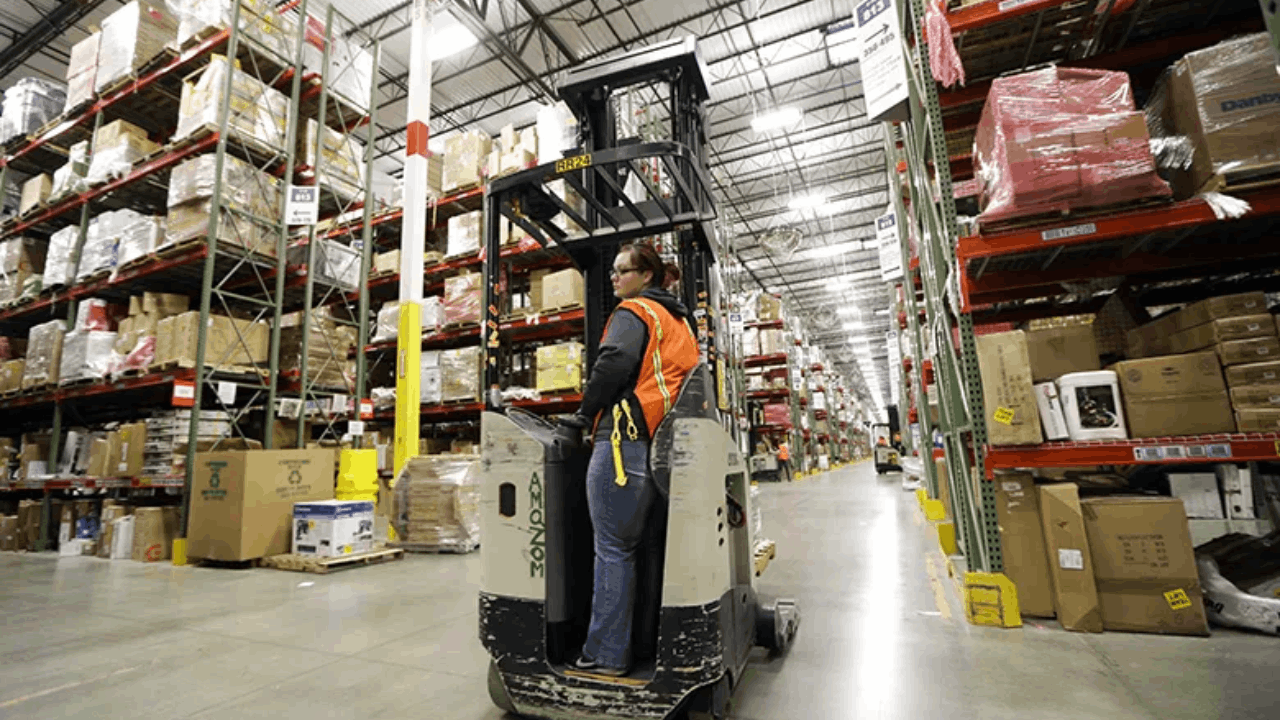
The company reports average hourly pay rising to over $23 per hour, with average total compensation now over $30 per hour when including the value of elected benefits.
Healthcare costs for a basic plan are being lowered to about $5 per week, and co-pays for primary care and mental health services are being reduced to around $5.
Independent reporting corroborates the wage increases and healthcare changes alongside broader labor context.
What “Total Compensation” Means in Practice
Beyond base wages, total compensation includes medical, dental, and vision coverage, 401(k) with company match, paid time off, and paid parental leave programs.
Birthing parents can receive up to 20 weeks of paid leave, and eligible supporting parents get six weeks, with “Leave Share” and “Ramp Back” options to smooth the return to work.
Education benefits through Career Choice include prepaid tuition, GED, language programs, and industry certifications for eligible hourly employees. Several facilities also offer public tours that showcase robotics and workflows that support skill development and career mobility.
Pay Ranges by Role and Location
While national averages are useful, pay varies by site, shift, and demand, with Amazon stating ranges historically spanning roughly the high-teens to high-twenties per hour in fulfillment and operations.
Company updates in 2024 and 2025 referenced average base wages above $22 per hour, with seasonal roles typically set at or above $18 per hour.
Third-party snapshots often lag or blend roles, so treat them as directional rather than definitive for your location. Your offer will specify the exact base rate, shift differential, and any sign-on incentives in effect at that location.
Requirements and How to Apply for Amazon Warehouse Jobs
Most hourly warehouse roles require you to be at least 18 years old, pass a background check, and complete Form I-9 identity and work authorization verification.
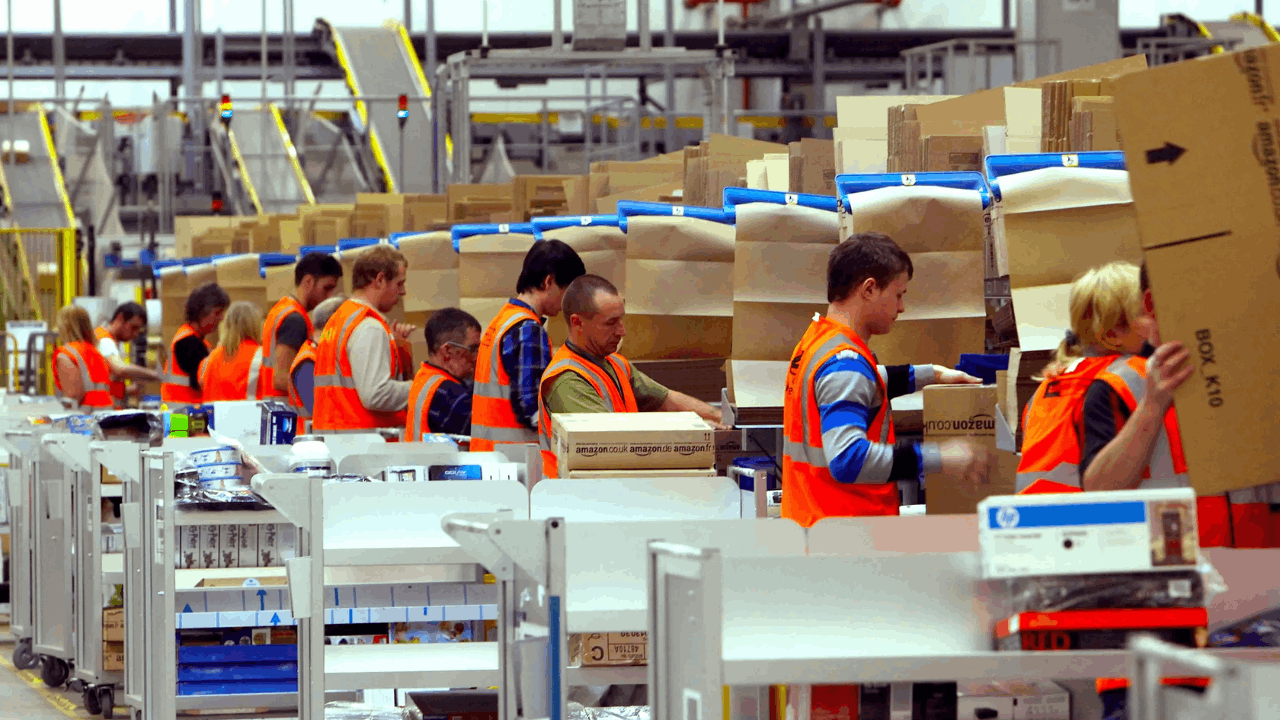
Job postings describe physical requirements, scheduling expectations, and any site-specific steps such as a new hire event.
For many unregulated positions, Amazon excludes marijuana from pre-employment drug screening, though regulated roles and certain business units have different standards.
Review each listing carefully, as the process and checkpoints can vary by building and state.
Step-by-Step: From Application to Start Date
Start by selecting a warehouse role and preferred shift, then create your candidate account to begin the application.
If you receive a contingent offer, you will complete background screening tasks, the Work Opportunity Tax Credit questionnaire, and your I-9 documentation ahead of the new hire appointment.
Your candidate portal guides scheduling for the appointment and lists any documents to bring on the day. After final checks clear, you will receive start instructions, safety onboarding details, and your day-one schedule.
Tips That Strengthen Your Application
Ensure the name and address on your ID match your application and I-9 documents to avoid avoidable delays.
If you have previous Amazon experience, the rehire path can shorten steps and may let you skip certain events if eligible. Keep your availability flexible during peak seasons, because high-demand shifts close quickly and often pay more.
Use hiring support channels if a task stalls in the portal or you need to reschedule your appointment.
How to Get Hired for Amazon Warehouse Jobs in 2025
Hiring volume tends to spike ahead of holidays and large shopping events, so applying early in seasonal ramps increases your chances.

Prepare for Amazon’s structured interview style if your role includes interviews, aligning examples to Leadership Principles using the STAR method.
Even for non-interviewed warehouse roles, familiarity with safety culture, scan discipline, attendance reliability, and problem-solving will help you stand out at onboarding.
Use public fulfillment center tours or online guides to understand workflows and talk fluently about quality, rate, and safe movement.
Show You Understand Safety, Quality, and Rate
Supervisors value consistent rate without sacrificing safety or accuracy, so emphasize habits that balance all three.
Point to past roles where you followed standard work, used checklists, and raised flags early when something looked off.
Amazon’s safety programs and science-based approach make it clear that safe operations and productivity must coexist, so acknowledge both in your talking points. This framing demonstrates cultural fit before you ever hit the floor.
Position Yourself for Premium Shifts and Overtime
Many sites offer night, weekend, or flexible shifts that can include differentials or more stable hours.
If you have reliable transportation and can commit to harder-to-staff windows, say so in your application and at the new hire event.
Peak seasons often add extra hours, so be ready to adjust sleep schedules and hydration routines for longer standing periods. Managing energy and recovery is part of sustained performance in high-volume buildings.
Leverage Education and Growth Programs
Once hired, enroll in education benefits that advance credentials relevant to operations, safety, or supply chain. Certifications and language programs signal upward mobility and can position you for trainer, process guide, or lead roles over time.
Career Choice’s prepaid tuition structure removes reimbursement friction that blocks many working learners. Investing in learning early improves your internal profile while you build a strong attendance and quality record.
Benefits That Matter Day One and Over Time
Eligible warehouse employees typically receive health coverage options from the first day, which is unusual among hourly roles.
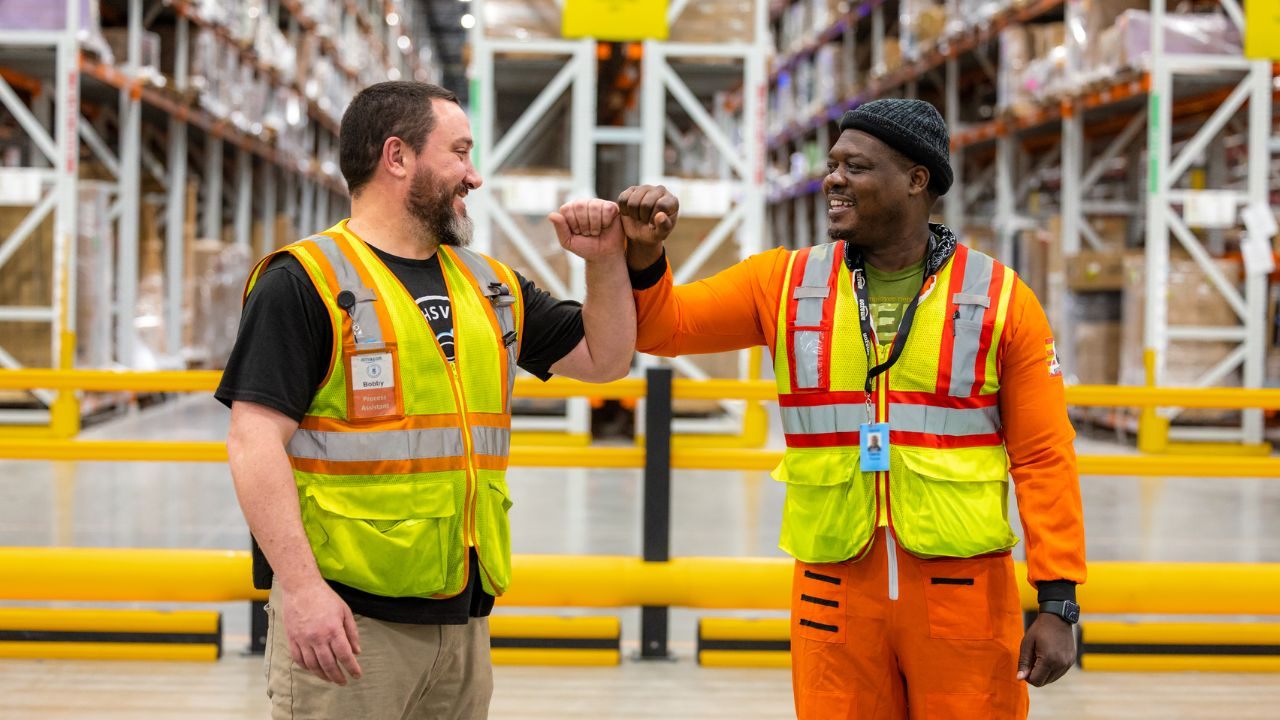
In 2025, Amazon highlighted lowered weekly healthcare contributions and reduced co-pays for common services, improving take-home pay.
Paid parental leave, paid time off accrual, and 401(k) match round out longer-term value for full-time schedules. Over a year, these benefits can add thousands in effective compensation beyond the hourly base.
What to Expect During Onboarding
New hires complete safety briefings, site tours, device training, and hands-on practice before entering standard rate expectations. You will learn scanner flows, bin logic, exception handling, and when to escalate jams or defects to process guides.
Early days emphasize safety posture, hydration, and correct lifting techniques to prevent strain while you build stamina. Supervisors monitor metrics but expect a learning curve as you build consistent accuracy and speed.
The Outlook for 2025
Amazon continues to add roles across its network, with periodic announcements of seasonal hiring waves and facility investments.
Compensation and healthcare adjustments announced in late 2024 and 2025 suggest continued competition for hourly talent.
Sites with robotics and Same-Day configurations remain growth areas, creating steady demand for disciplined, safety-minded associates. Applicants who understand standardized work and thrive in fast, structured environments will remain in demand.
Conclusion
The most reliable route to landing an offer is understanding the roles, confirming eligibility, and executing the application steps without delays.
If your goal is to learn how to apply for Amazon warehouse jobs and get hired in 2025, follow this playbook and you will enter day one clear, ready, and positioned for success.